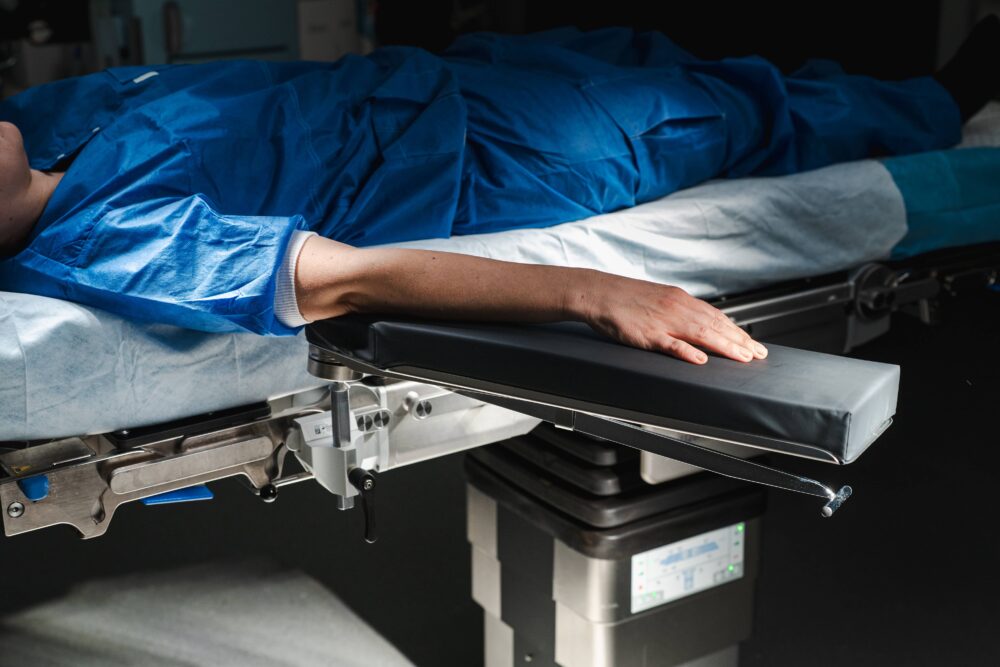
Operating rooms are designed for efficiency. Every piece of equipment is selected to help clinicians work safely, consistently, and without unnecessary interruptions.
Yet one category of equipment is often overlooked: Armboards. Many hospitals consider them interchangeable. As long as they fit the operating table, the job is done. But is it?
The Hidden Cost Isn’t the Armboard
An armboard is used during countless procedures every year.
Small inefficiencies quickly add up:
- Extra time during patient positioning
- Repeated adjustments during procedures
- Reduced access for the anesthesia team
- More complex inventory across multiple operating table systems
None of these issues seem significant on their own. Together, they affect workflow every single day.
Three Questions to ask when evaluating an armboard
When evaluating an armboard, consider more than technical specifications.
Ask yourself:
- Can clinicians adjust it quickly and intuitively?
- Does it support efficient workflows throughout the procedure?
- Is it compatible with the operating tables used across the hospital?
The answers will have a far greater impact than the purchase price alone.
The best operating room accessories don’t demand attention.
They attach quickly.
Adjust smoothly.
Remain stable.
And allow clinicians to focus entirely on the patient, not the equipment.
That’s the difference between an accessory that simply fits and one that genuinely supports clinical performance.
Is It Time to Re-evaluate Your Armboards?
If your hospital is reviewing operating room accessories, it may be worth asking whether your current armboards support the way your teams actually work.
Insights